Understanding the Key Advantages of HDPE Pipe for Water and Wastewater Management
The usage of HDPE pipe in water and wastewater administration presents numerous benefits that warrant factor to consider. Its remarkable sturdiness and long lifespan make it a recommended selection for lots of projects. Additionally, the material's resistance to corrosion and chemical damage improves its reliability in various atmospheres. The benefits prolong past just durability and resistance. hdpe pipe in stock Midland TX. Discovering its cost-effectiveness and ecological influence reveals also extra compelling reasons for its widespread adoption in modern infrastructure
Outstanding Resilience and Longevity

HDPE pipeline sticks out for its exceptional sturdiness and long life, making it a recommended option in water administration systems. Created from high-density polyethylene, these pipelines can stand up to considerable stress and anxiety, making sure reputable performance gradually. Their robust nature permits them to sustain severe environmental conditions, consisting of temperature level changes and soil motions, which can trigger other products to stop working.
The lifespan of HDPE pipelines typically exceeds half a century, providing an affordable solution for towns and industries alike. In addition, the material's light-weight homes streamline setup, decreasing labor costs and durations. This durability minimizes the need for constant fixings or replacements, even more improving its economic charm.
In water management applications, the reliability of HDPE pipes means less disturbances and boosted solution connection, making them essential to lasting framework advancement. The combination of toughness and durability solidifies HDPE's role as a foundation in efficient water administration services.
Resistance to Rust and Chemical Damage
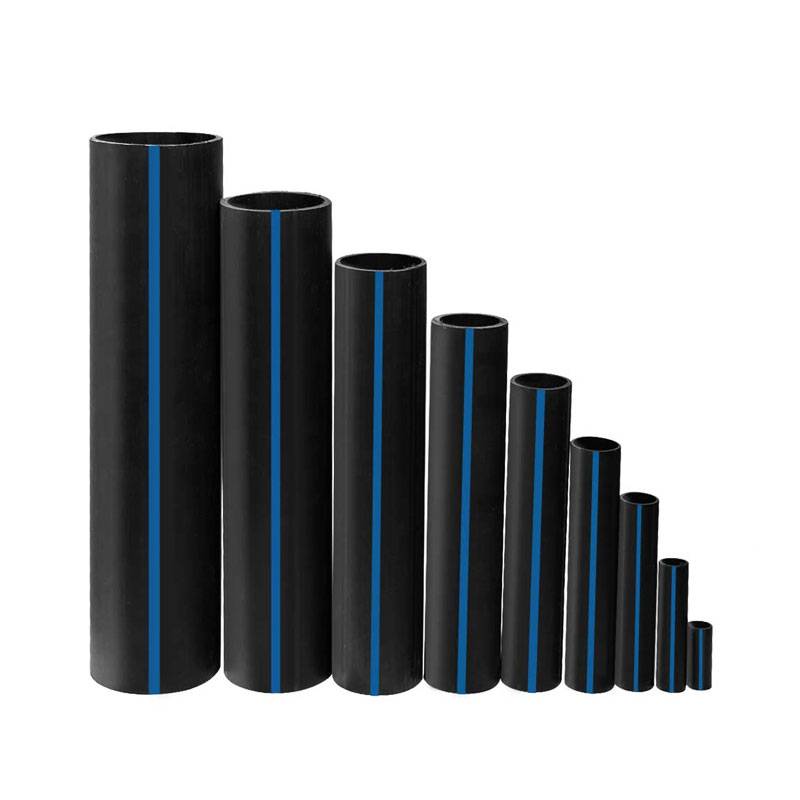
While many products succumb to corrosion and chemical damage with time, HDPE pipes display impressive resistance, making them ideal for numerous water administration applications. This durability stems from the molecular framework of high-density polyethylene, which is inherently non-reactive and does not corrode like steels or weaken from direct exposure to severe chemicals. Consequently, HDPE is highly effective in settings with aggressive materials, such as wastewater systems that might contain acids, bases, and natural solvents.
Additionally, HDPE pipes can hold up against ecological aspects such as soil level of acidity and saline conditions, additionally enhancing their suitability for diverse applications (hdpe pipe suppliers Midland TX). Their capacity to keep structural stability with time reduces the threat of leaks and failures, which is critical in ensuring the safety and integrity of water distribution and wastewater monitoring systems. The resistance to corrosion and chemical damages noticeably contributes to the total performance and long life of HDPE piping services.
Cost-Effectiveness and Economic Benefits
When considering the economic ramifications of water monitoring systems, the cost-effectiveness of HDPE pipelines comes to be evident. These pipes use lower installment and maintenance costs contrasted to conventional products like metal or concrete. Their light-weight nature simplifies transportation and installment, leading to reduced labor expenditures. Furthermore, HDPE pipes show a long life-span, often going beyond 50 years, which converts to less substitutes and long-lasting financial savings.
Moreover, the sewer line camera inspection resistance of HDPE to corrosion and chemical damages minimizes the demand for expensive repair work and replacements. The pipelines also support efficient water flow, reducing power costs connected with pumping systems. By minimizing leakages and water loss, HDPE pipes add to substantial financial benefits for municipalities and markets alike. Generally, the first financial investment in HDPE piping can produce substantial financial returns over the life-span of the water management system, making it a prudent choice for sustainable infrastructure growth.
Environmental Sustainability and Reduced Influence
Convenience and Flexibility in Setup
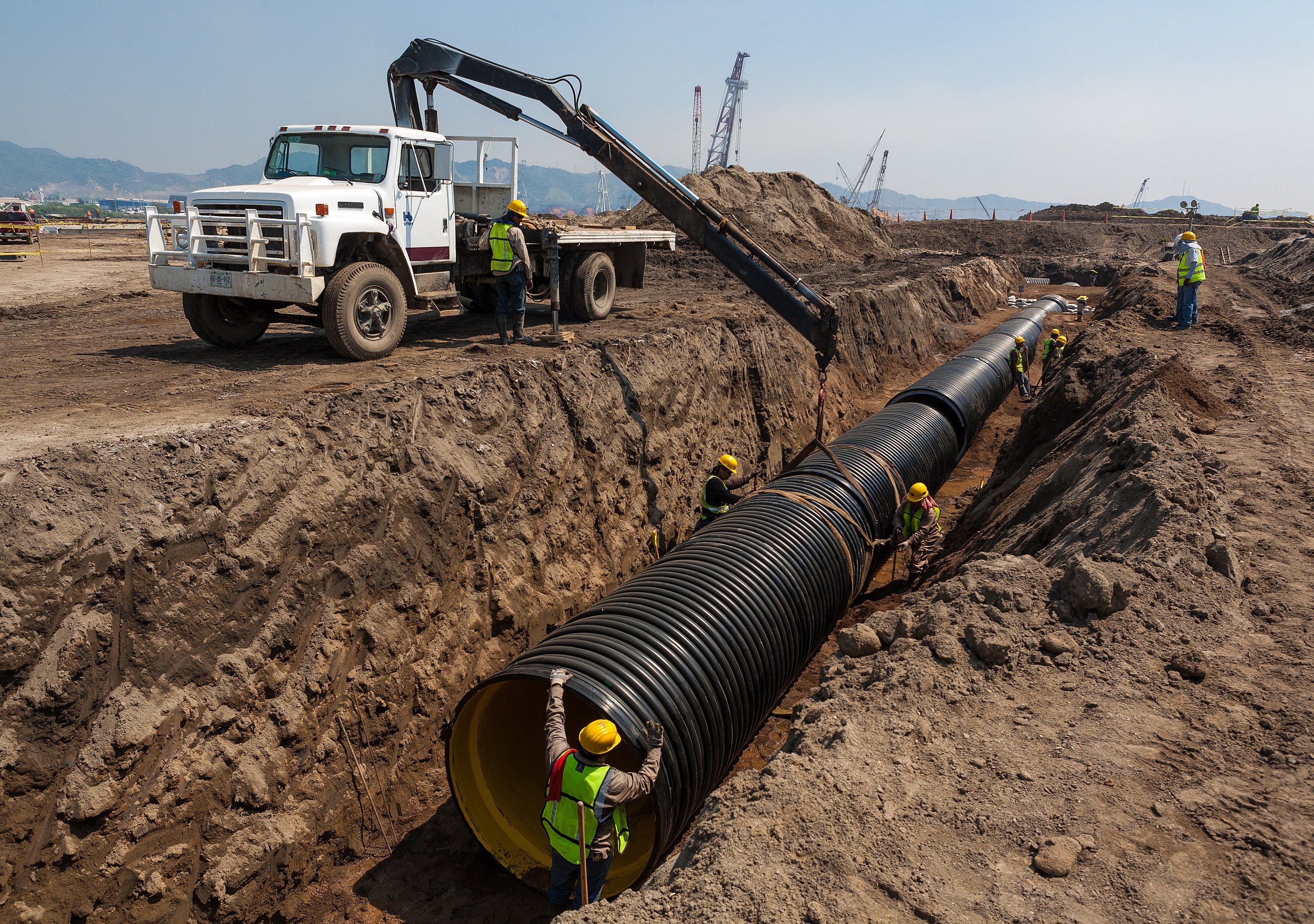
Due to their one-of-a-kind residential or commercial properties, HDPE pipes supply exceptional versatility and adaptability in setup, making them appropriate for a variety of applications. Their lightweight nature permits simpler handling and transportation, reducing labor prices and installment time. HDPE pipes can be curved and formed to fit numerous terrains and project requirements, which is particularly advantageous in challenging environments.
Additionally, their resistance to deterioration and chemical damages permits installation in varied settings without the need for specialized safety finishings. The ability to fuse joints develops a continual, leak-free system, improving the general stability and reliability of the installment. HDPE's adaptability also fits ground motion, decreasing the threat of damages in locations susceptible to moving dirt. Generally, these attributes make HDPE pipes not only flexible yet additionally a recommended option for water and wastewater administration systems.
Frequently Asked Questions
Just How Does HDPE Pipeline Compare to PVC in Water Administration Applications?
HDPE pipe provides superior flexibility, resistance to corrosion, and sturdiness compared to PVC. Its lighter weight assists in much easier installation, while its long life-span minimizes replacement costs, making view publisher site HDPE a favored selection in water administration applications.
What Is the Life Expectancy of HDPE Piping Under Typical Problems?
Under common problems, HDPE pipes can have a lifespan ranging from 50 to 100 years. Their sturdiness and resistance to corrosion add to their long-lasting efficiency in various applications, making them a dependable choice for facilities.
Are HDPE Piping Recyclable After Their Life Span?
Yes, HDPE pipelines are recyclable after their solution life. hdpe pipe fittings Midland TX. They can be refined and repurposed right into new items, considerably lowering environmental effect and advertising sustainability within the sector, making them an environmentally friendly selection for piping options
What Is the Installation Process for HDPE Water Lines?
The installment process for HDPE pipes involves site preparation, trenching, pipeline blend or mechanical joining, backfilling, and stress testing. Proper methods assure a sturdy and efficient system for transferring water and wastewater properly.
Can HDPE Pipeline Be Made Use Of for Both Potable and Non-Potable Water Equipments?
Yes, HDPE pipes can be utilized for both safe and clean and non-potable water systems. Their convenience, durability, and resistance to rust make them ideal for different applications, making sure safe and effective transportation of water in different contexts.
Comments on “The Advancement of American Plastics HDPE Pipe Manufacturing: What You Need to Know”